Before you ring Questions we get asked
Why is spray foam under a roof a problem?
Spray foam is applied to the underside of the roof covering. It bonds to tiles, slates, felt and timber, which can hide damp and decay and makes repairs difficult. Many lenders and surveyors treat it with caution, especially where it covers the roof timbers.
Will it stop me selling or getting a mortgage?
It can. Some lenders decline or ask for evidence, and buyers' surveyors often flag it. A written assessment of what is there and what condition it is in is usually what they ask for. What a particular lender will accept varies, so check with your broker.
What does an assessment involve?
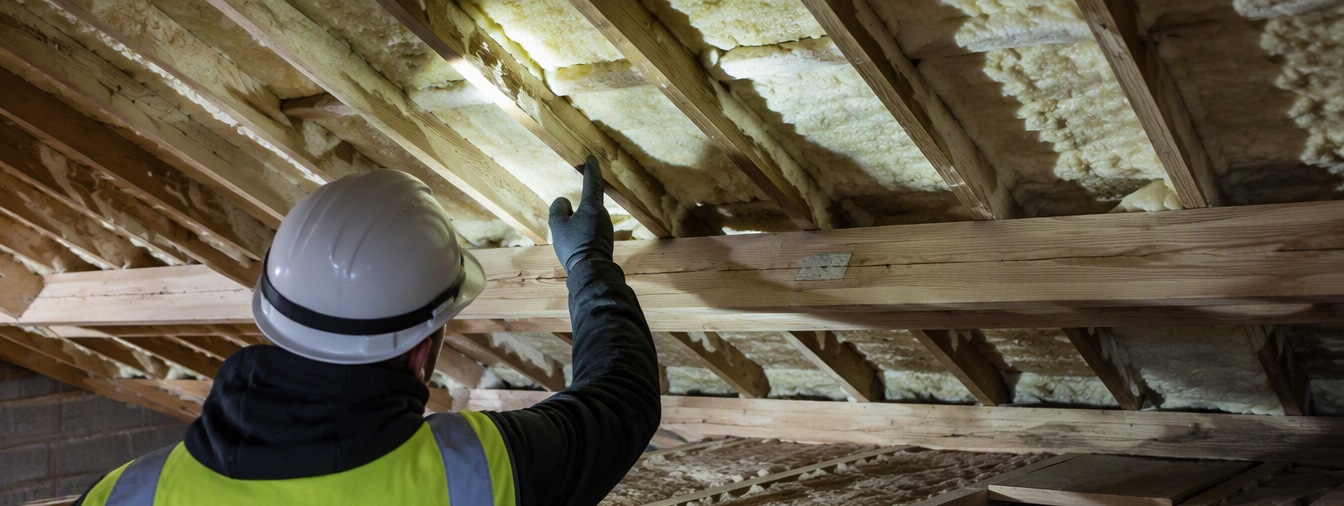
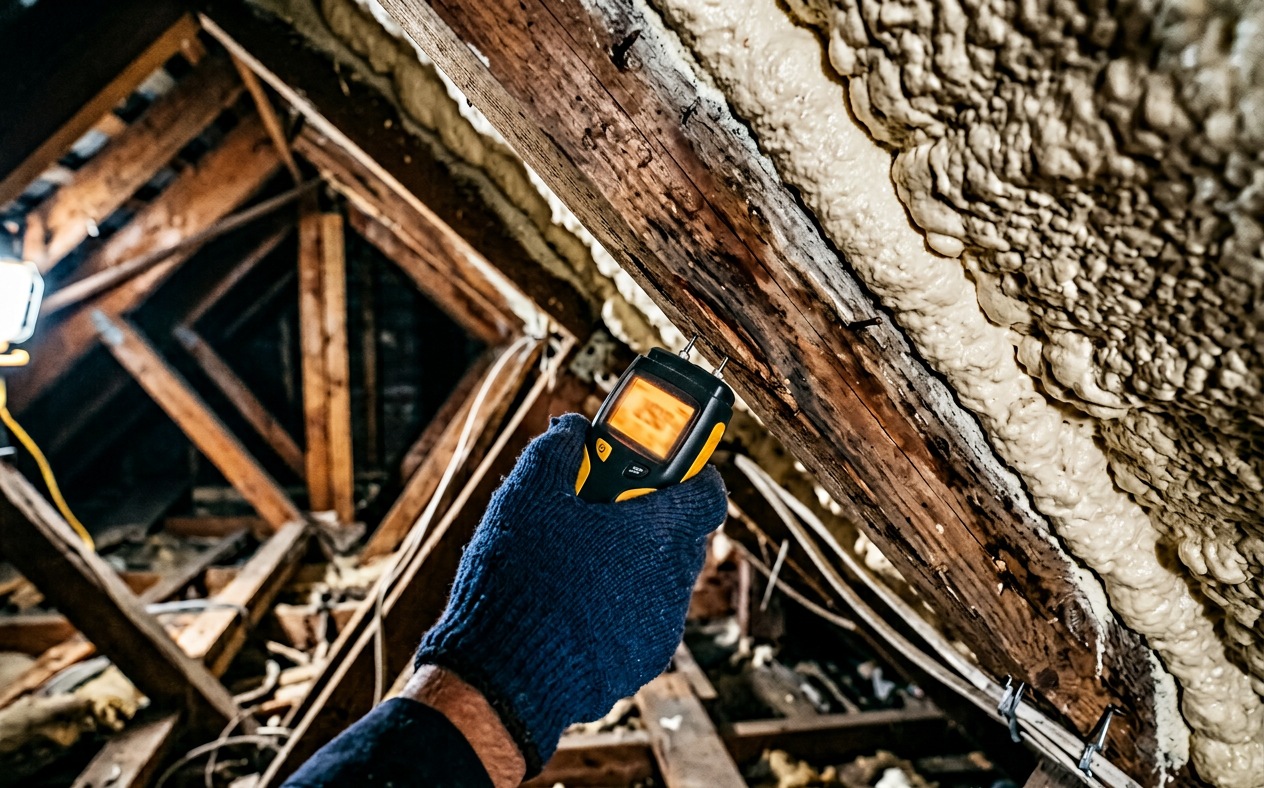
An inspector goes into the roof space, records the foam type, thickness and coverage, takes moisture readings on visible timber, photographs what can be seen and notes what cannot be checked. You get a written report afterwards.
How long does it take?
Usually one to two hours in a typical St Helens roof space, with the report following within a day.
Do I have to remove it?
Not always. It depends on the foam type, how well it was fitted, the state of the timbers and what your lender or buyer accepts. The inspection gives you the evidence.
Can you tell if the timbers are damaged?
Where timbers can be seen or reached we take moisture readings and record staining, softness and mould. Timber fully covered by foam cannot be checked without removing some of it, and the report says so.
What is the difference between open-cell and closed-cell foam?
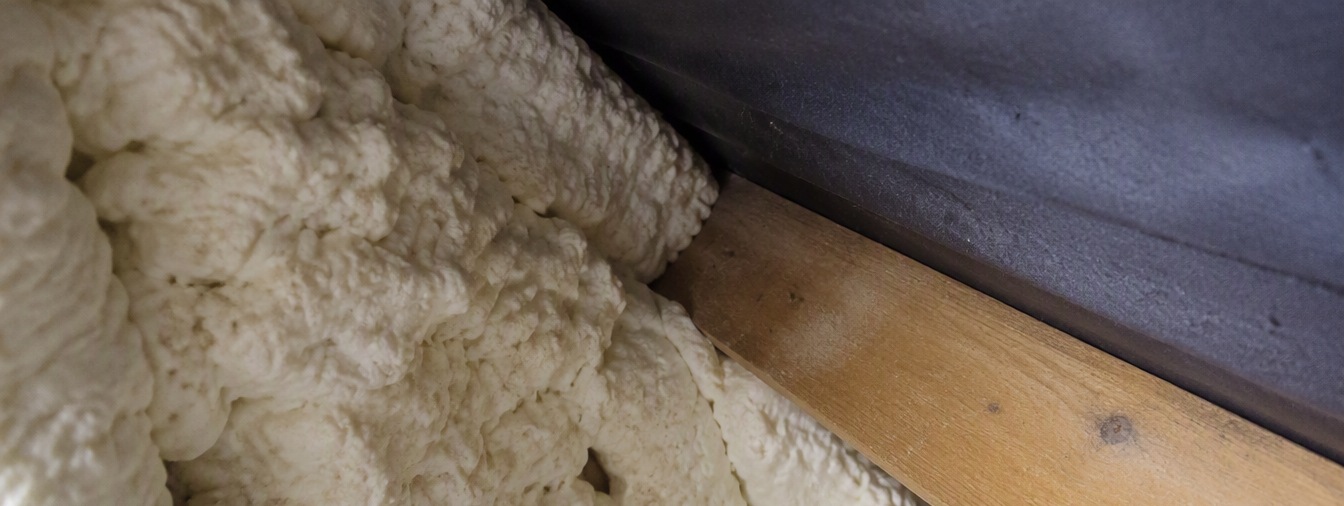
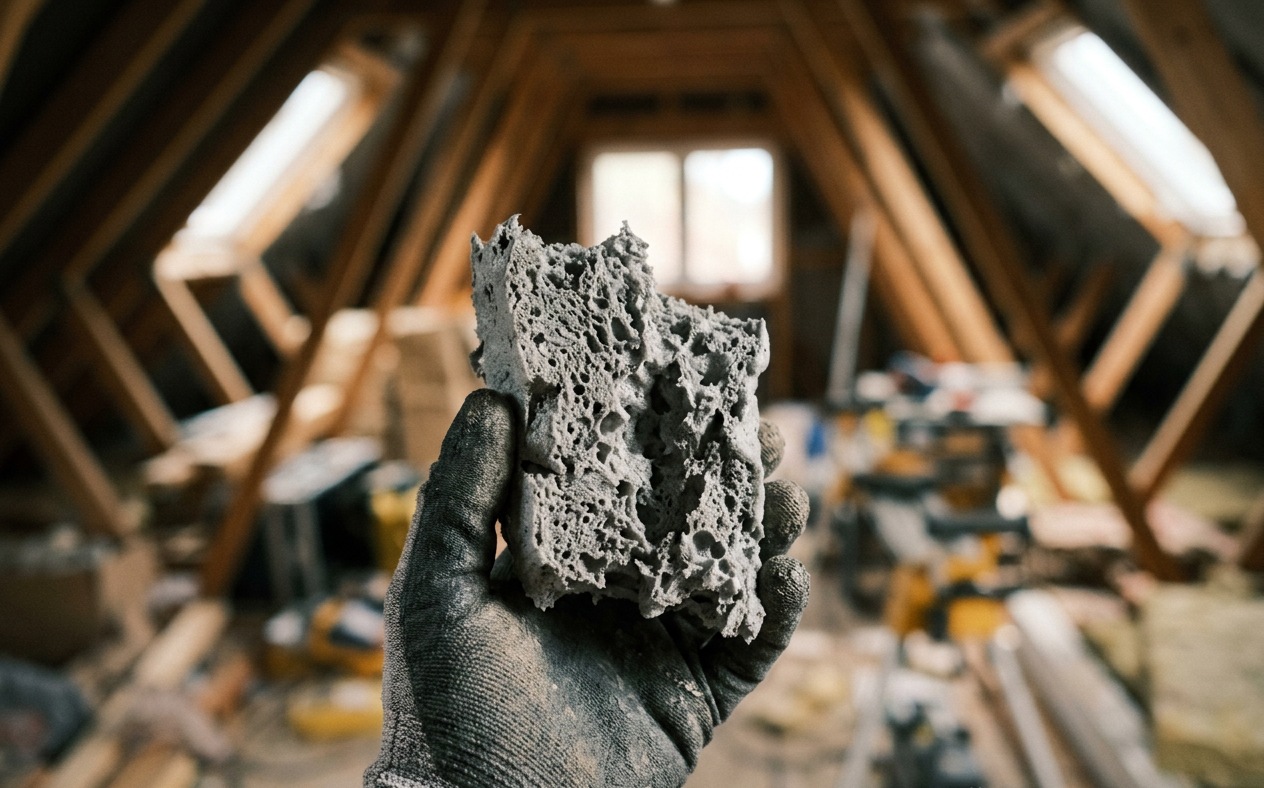
Open-cell foam is soft and spongy and lets moisture pass through. Closed-cell foam is dense and sets hard. Both are used in roofs, and the type affects how it can be removed and how risky it is.
How is spray foam removed?
By hand, section by section: cutting, scraping and vacuuming it off tiles, battens and rafters with dust sheets and respirators. It is slow work, and how long it takes depends on the roof area and the foam type.
How much does removal cost?
It depends on the roof area, foam type and how firmly it has bonded. As a rough guide a typical house often runs to several thousand pounds. We quote in writing after the assessment.
Will the roof need repairs afterwards?
Sometimes. Slates or tiles can be loose or broken once the foam is off, and damaged battens or felt may need replacing. The report flags what we can see beforehand.
Can I put solar panels on a foamed roof?
Installers usually want to know what is under the tiles first. An assessment gives them a record of the foam and the roof condition to work from.
Is it the seller's or the buyer's problem?
That is negotiable. A written assessment and a removal quote give both sides figures to negotiate with. We are not solicitors, so ask yours who should bear the cost.
What if nothing is wrong?
That is a result too. A clear report is evidence you can hand to a buyer, lender or insurer.
Can I use your report to get other quotes?
Yes. The report is yours, and any competent contractor can quote from it without inspecting again.
How much does a spray foam assessment cost in St Helens?
From £195, fixed and quoted before we attend, including the written report.

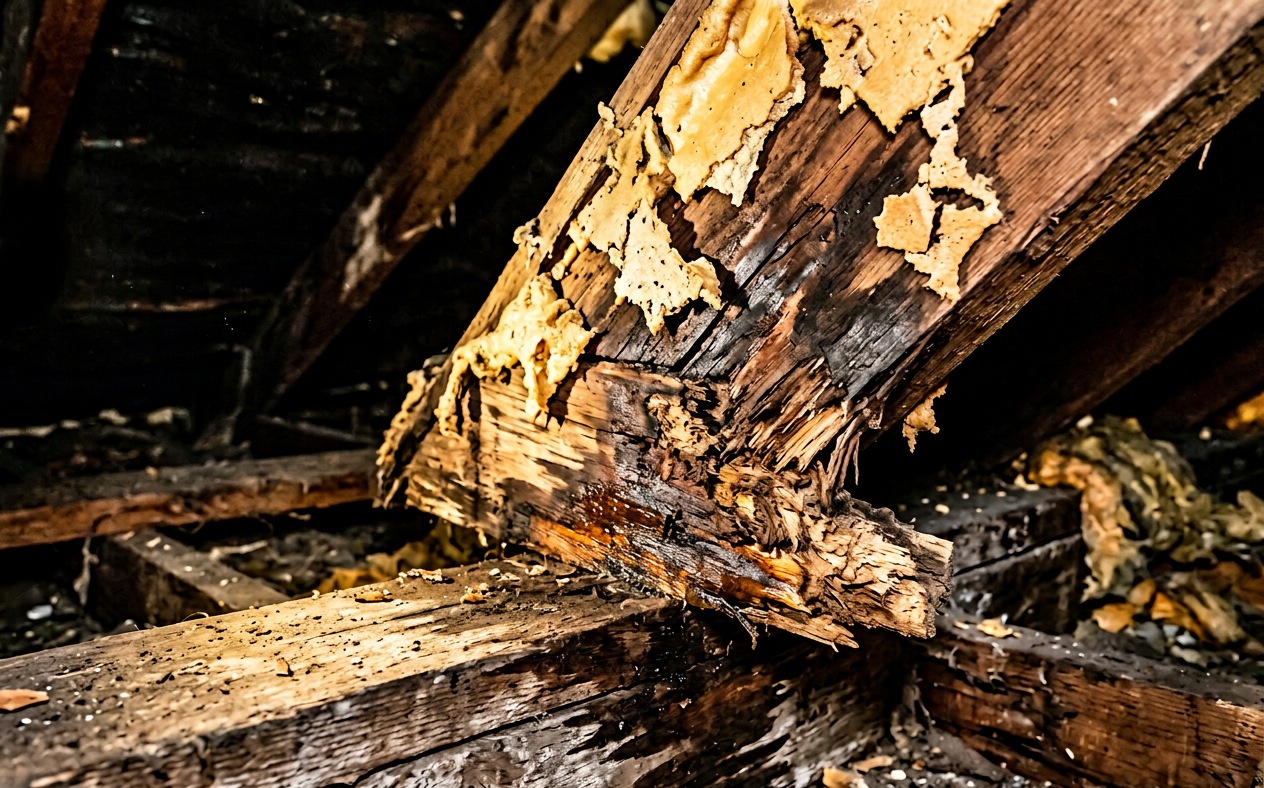 Damp check under foam
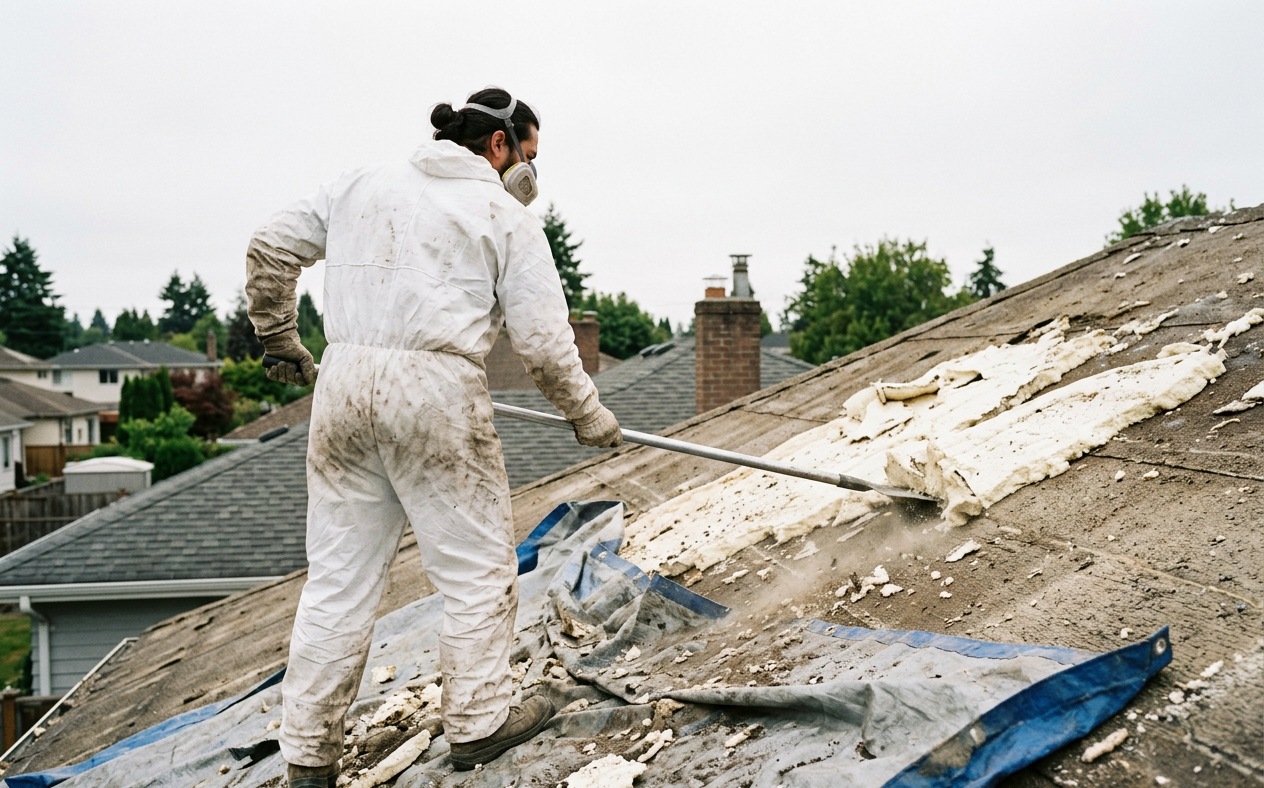 Spray foam removal St Helens